
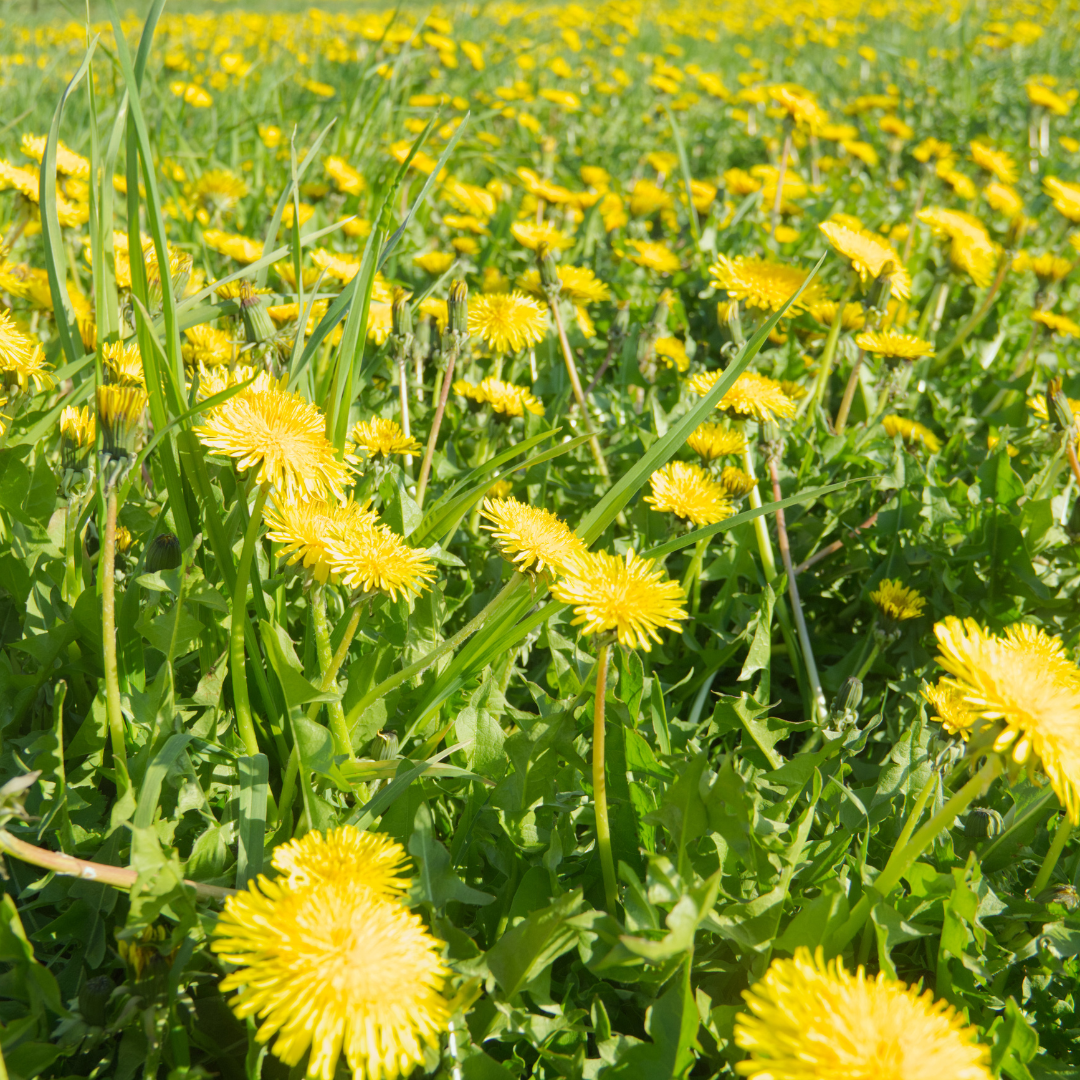
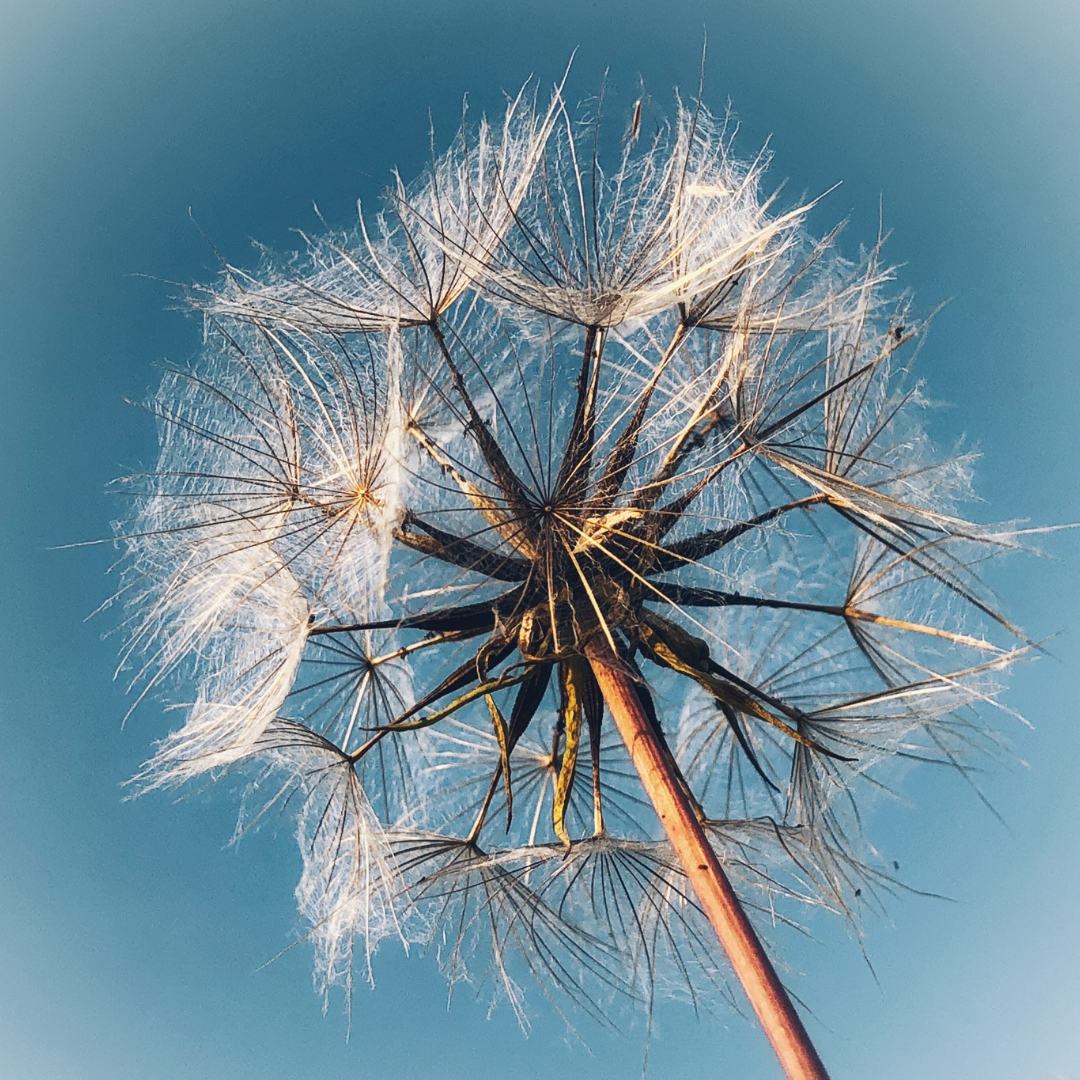
Organic Wild Dandelion Seeds – Open Pollinated (Taraxacum officinale) | The Most Useful Plant You Were Taught to Destroy
Minimum: 50+ seeds
Someone decided dandelions were weeds. They were wrong.
European settlers brought the dandelion to North America intentionally, almost certainly on the Mayflower, because they could not imagine life without it. They planted it in kitchen gardens alongside carrots and onions because that is exactly where it belonged. Somewhere between then and now, the plant went from prized food crop to lawn enemy. The dandelion never changed. The culture did.
Ancient Greeks, Romans, and Egyptians knew this plant well. Arabian physicians documented it in the tenth century. It appears in Native American traditions across dozens of tribes, in Chinese medicine for over a thousand years, and in European monastery gardens for centuries before that. Evidence shows dandelions were purposely carried across oceans by human beings throughout history. Weeds follow people uninvited. Dandelions were invited.
The name says it all. Taraxacum comes from the Arabic word for bitter herb. Officinale means it was once listed as official medicine in the pharmacopoeia. Dent de lion, teeth of the lion, gave us the English name we still use today. This is a plant whose name alone carries centuries of respect.
WHAT IT IS
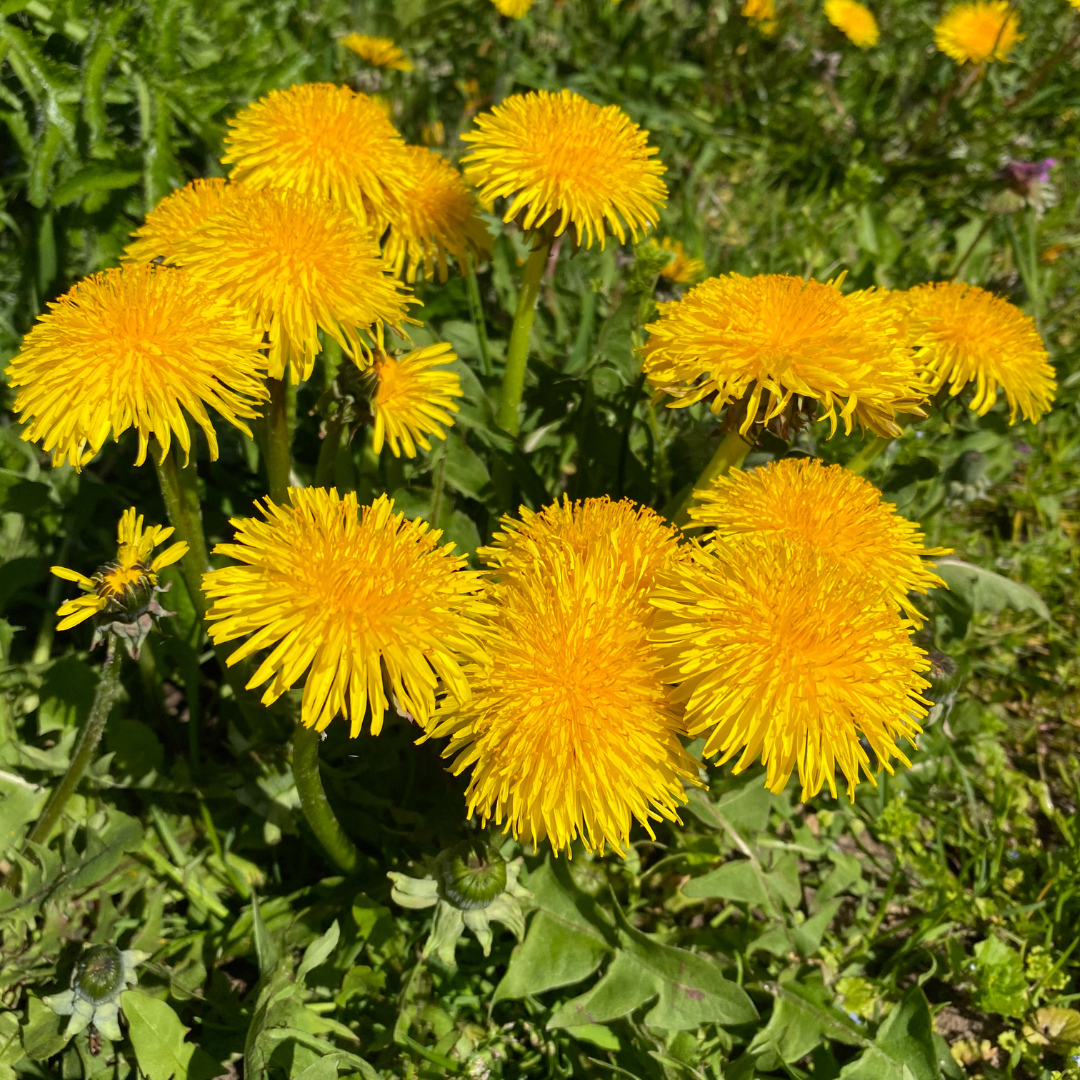
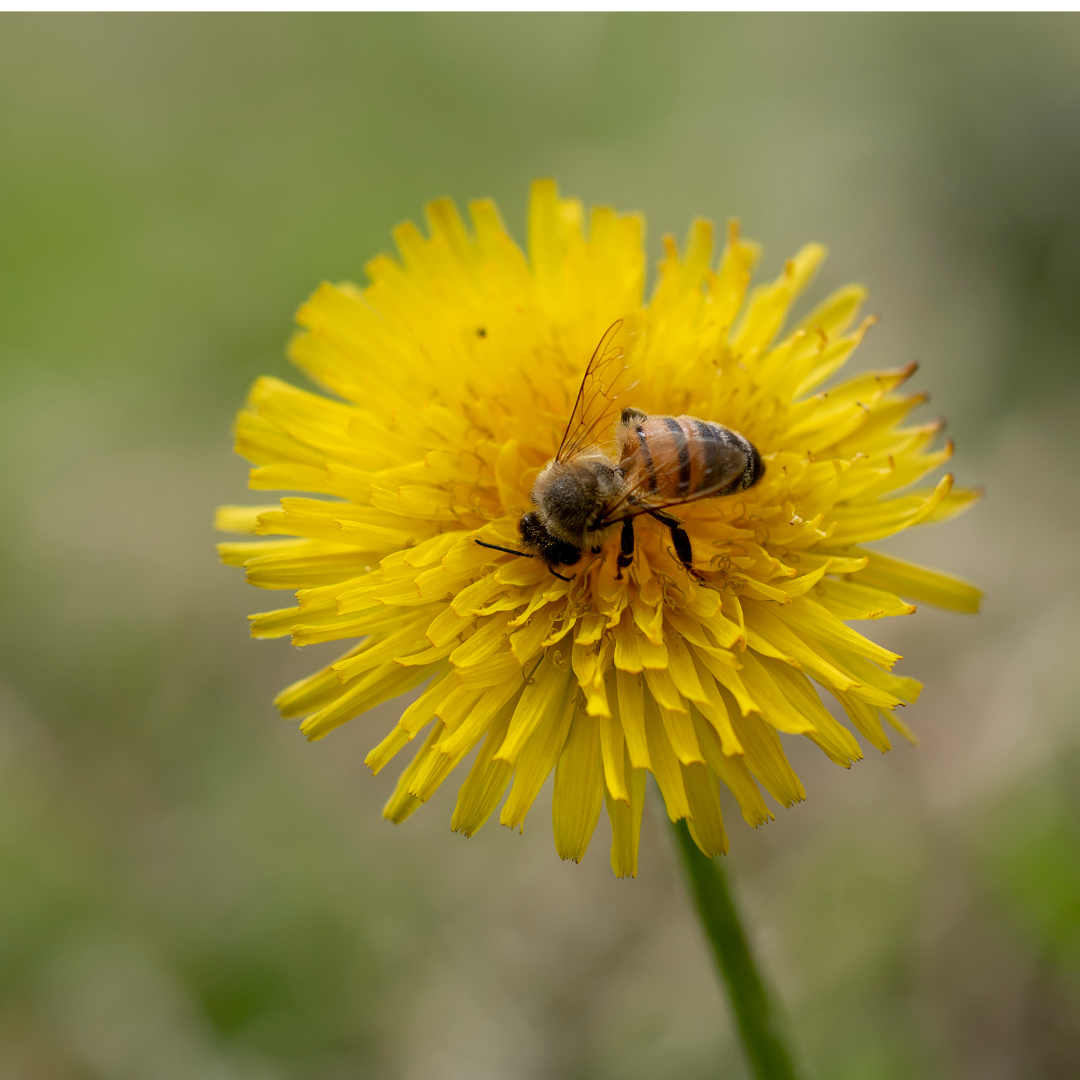
A perennial member of the Asteraceae family, the same tribe as chamomile, calendula, and mugwort. Every part is edible and useful. The deep taproot breaks up compacted soil and draws minerals up from below, making dandelion one of the great soil-building plants in any garden. The flowers are among the most important early-season food sources for bees, opening in early spring when almost nothing else is available. Food crop, tonic herb, soil builder, pollinator plant, and wildflower all in one. Nothing in the garden does more.
THE FLAVOR
Young spring leaves are tender, mildly bitter, and savory. An exceptional salad green eaten across Europe, Asia, and the Americas for centuries. Older leaves grow more assertive and are best cooked wilted in olive oil with garlic and lemon, the way Italian tradition has always handled them under the name cicoria. The flowers are sweet and faintly honey-like, beautiful raw on salads, battered and fried, or fermented into dandelion wine, a country tradition documented across rural Europe for centuries. The roasted root makes one of the finest caffeine-free coffee substitutes available, dark and rich in a way most herbal alternatives never achieve.
ITS PLACE IN THE HERBAL TRADITION
Dandelion has been used across Greek, Roman, Chinese, Arabian, European, and Native American traditions as a gentle tonic herb associated with supporting the liver, kidneys, and digestive system. The whole plant is considered one of the most broadly nourishing botanicals in the herbal world, naturally containing vitamins A, C, and E along with calcium, potassium, iron, and zinc. Root to flower, every part has earned its place in every tradition that has ever worked with it.
WHAT YOU GET
Organic, open-pollinated, Non-GMO and seed-saving friendly Whole plant utility with leaves, flowers, and roots all edible and traditionally used Deep taproot that builds soil and breaks compaction One of the first flowers available to bees and pollinators each spring Exceptional salad green, cooked green, edible flower, and roasted root coffee substitute Caffeine-free roasted root, one of the finest natural coffee alternatives available
GROWING NOTES
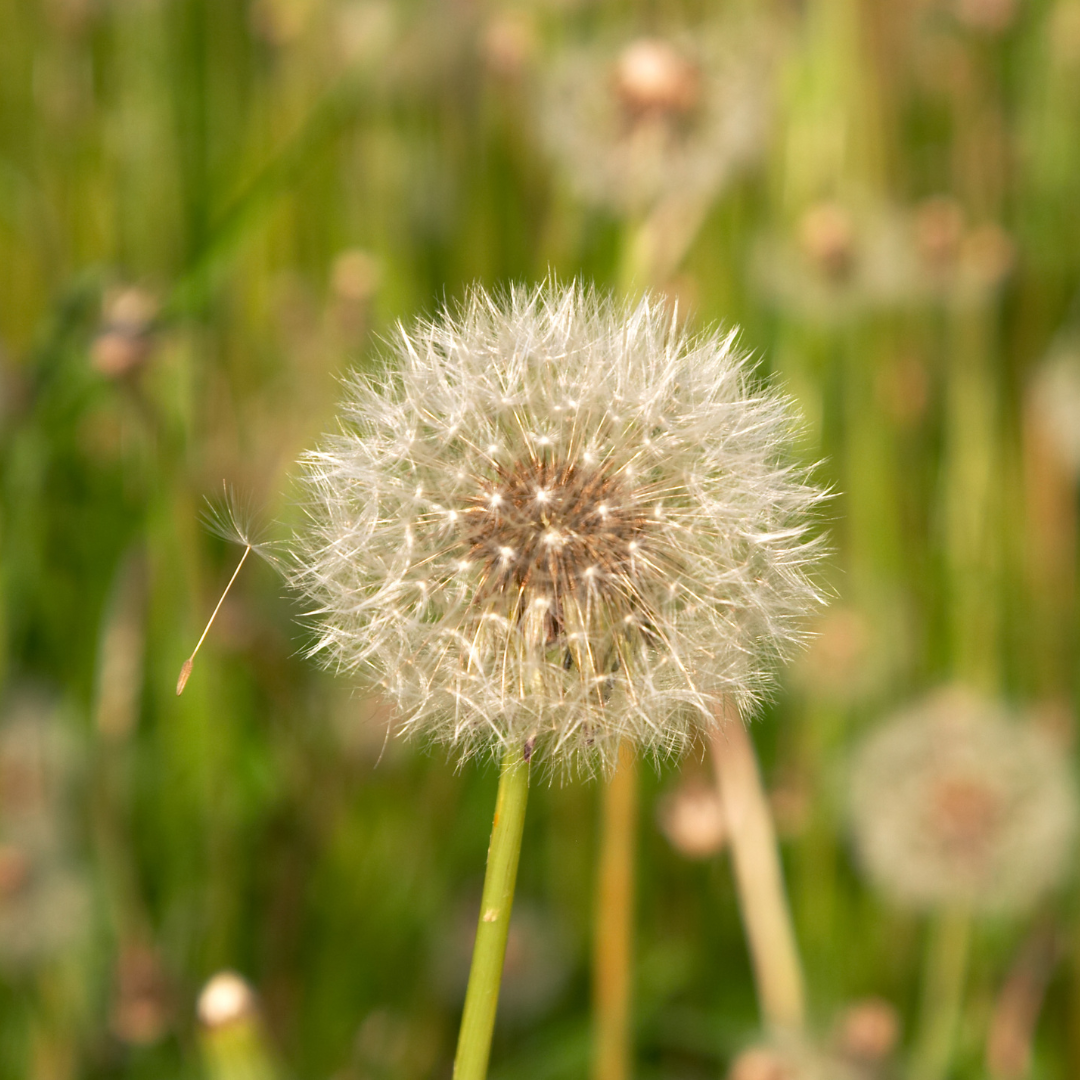
Direct sow in early spring or fall. Press seeds onto the soil surface and do not cover as they need light to germinate. Thin to six to eight inches apart for leaf production, wider for root development. Harvest young leaves before the first flower opens for the most tender greens. Harvest roots in fall of the first or second year when they are thickest. Let a few plants flower and go to seed every season. The pollinators need them and the garden will take care of itself from there.
Note: Those with known allergies to the Asteraceae family, which includes ragweed and marigolds, should exercise caution as cross-reactivity is possible.
The most intentionally imported, most unjustly vilified, most useful plant in your garden. Grow it on purpose.