Organic Vera Lavender Seeds (Lavandula angustifolia 'Vera') – 50+ Seeds for Herb Gardens, Essential Oil Production, and Aromatic Uses
Minimum: 50+ seeds
Lavender 'Vera' — The Original True Lavender
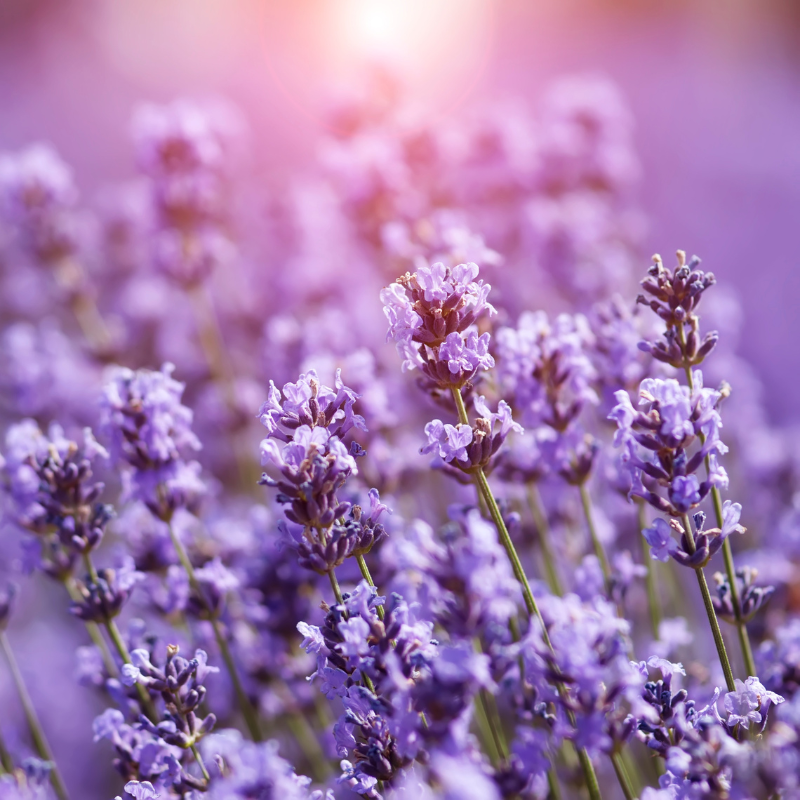
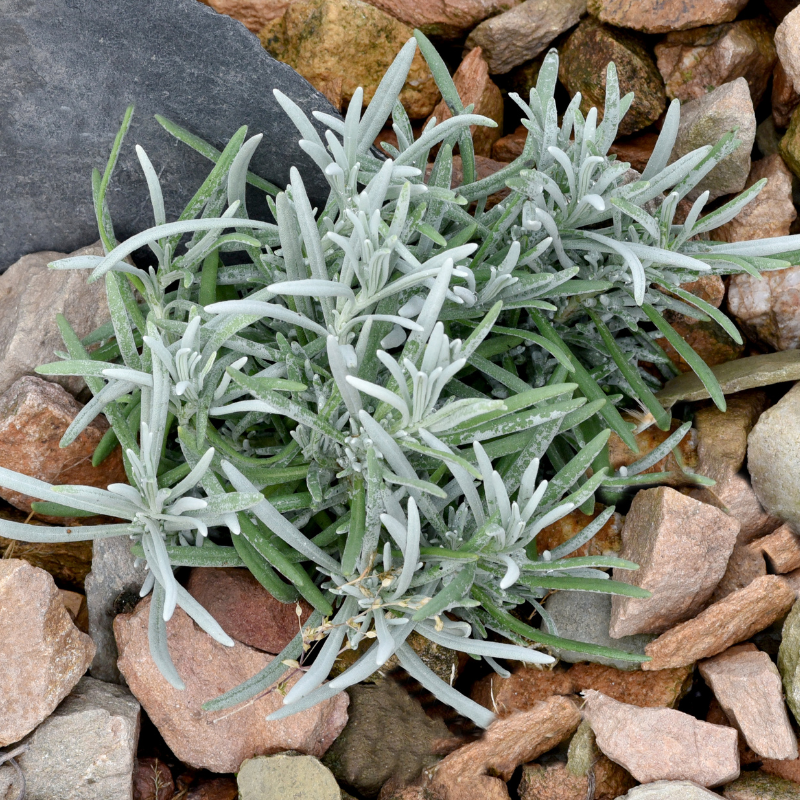
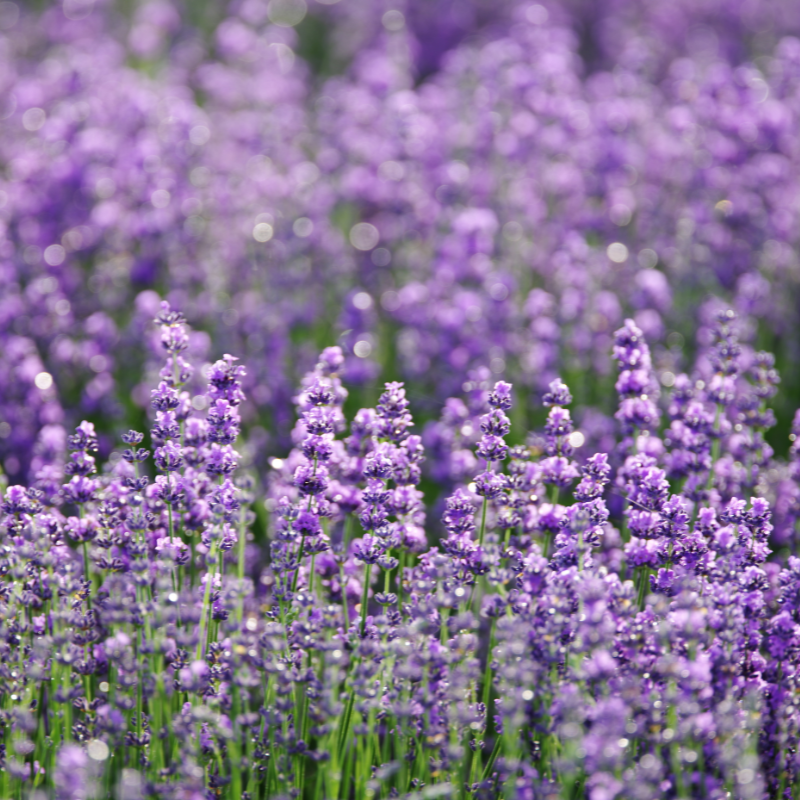
When perfumers and essential oil distillers say "true lavender," this is the plant they mean. Lavandula angustifolia 'Vera' is the classic English lavender behind centuries of oil production, valued for a sweeter, less camphorous scent than hybrid lavenders bred for landscape toughness. Its narrow silver-green foliage and violet-blue spikes have defined the lavender fields of Provence for generations. This is the straightforward, old-fashioned lavender for anyone wanting the genuine article, not a hybrid substitute.
Who Grows Lavender 'Vera'?
The essential oil distiller wanting the true lavender chemotype prized in aromatherapy.
The herb gardener building an authentic, traditional lavender bed.
The culinary gardener wanting lavender genuinely suited to baking and cooking.
The cold-climate gardener wanting the most winter-hardy of the true lavenders.
What This Classic Herb Actually Is
Lavandula angustifolia 'Vera', called English lavender or true lavender, is a compact, woody-based perennial native to the Mediterranean, prized as the benchmark variety for lavender essential oil. Plants form a rounded mound of narrow, silvery-green, aromatic foliage 12 to 24 inches tall and wide, topped with slender flower spikes of violet-blue blooms in early to midsummer. Its oil carries a sweeter, more floral profile with lower camphor content than Lavandin hybrids, the trait that makes it preferred for perfumery, culinary use, and traditional aromatherapy. It is also the most cold-hardy of the true lavenders, tolerating winters that damage many other varieties. Hardy in zones 5 through 9, a long-lived perennial when given the right soil and drainage.
In the Garden & Home
- Essential oil distillation: Harvest full flower spikes at peak bloom for steam distillation into oil.
- Culinary lavender: Use dried buds in baking, syrups, and herbal blends for the classic, food-safe flavor.
- Dried bouquets and sachets: Cut and hang bundles at peak color for dried arrangements or linen sachets.
- Pollinator border: Plant in a sunny bed to draw bees and butterflies through a long summer bloom.
- Herb garden anchor: Grow alongside rosemary, thyme, and sage in a Mediterranean herb bed.
- Lavender hedge: Plant in a row for a low, fragrant, classic English-garden hedge.
Growing Lavender 'Vera' Seeds
- Start method: Start indoors 8-10 weeks before last frost; seeds benefit from cold stratification.
- Stratification: Chill seeds in moist sand or a damp towel in the fridge for 2-4 weeks before sowing.
- Germination: Sprouts in 14-30 days; slow, uneven germination is normal.
- Soil temperature: Best between 65 and 70°F.
- Transplanting: Move outdoors after last frost, once seedlings have several true leaves.
- Spacing: Space plants 12-18 inches apart for good air circulation.
- Sunlight: Full sun.
- Soil: Well-drained, slightly alkaline soil is essential; wet feet kill lavender.
- Watering: Drought-tolerant once established; water sparingly and avoid wetting foliage.
- Pruning: Trim lightly after bloom to maintain shape and encourage next season's flowering.
- Hardiness: Reliable to zone 5, the most cold-hardy of the true lavenders.
- Longevity: A long-lived perennial, often productive for many years with proper drainage.
Before You Close This Page
This is the original true lavender, the variety behind centuries of oil, perfume, and culinary use. Vera carries a sweeter, less camphorous scent than modern hybrid lavenders, with the lower camphor chemotype distillers and perfumers specifically seek. It's also the hardiest true lavender available, tolerating cold that damages other varieties. Give it full sun and well-drained soil, and it rewards you with fragrant spikes for years. Grow the lavender that defined the fields of Provence and the meaning of the word itself.